
Home » The Environmental and Diplomatic Rehabilitation Project in Gaza
The Environmental and Diplomatic Rehabilitation Project in Gaza
The Gaza Rehabilitation Project:
Building a Safer Future from the Ruins of the Present
Environmental-Diplomatic Rehabilitation in the Gaza Strip: Turning Rubble into Opportunity
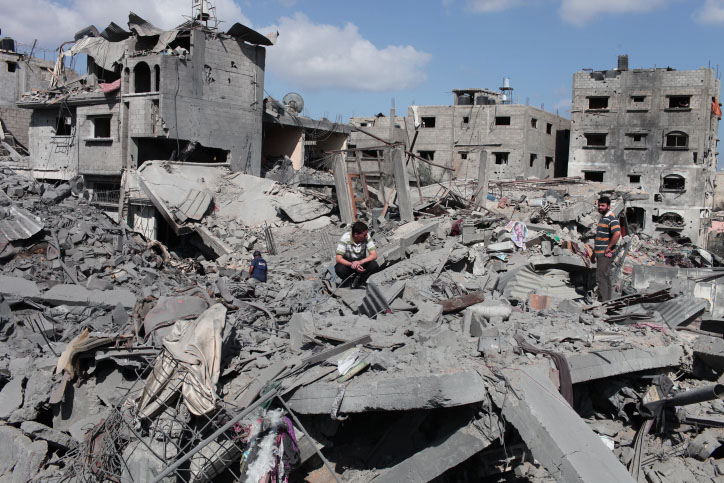
Following the extensive destruction in the Gaza Strip – where more than half of all buildings have been damaged – international sources estimate that approximately 40 million tons of construction waste have accumulated. This constitutes an unprecedented environmental, logistical and public health challenge that extends beyond the boundaries of the Gaza Strip and directly affects Israel and the wider region.
The goal of the initiative is to develop a systemic model for addressing demolition waste as a foundational element of civilian, economic and environmental rehabilitation, while integrating advanced technologies, creating local employment opportunities and promoting regional cooperation.
The Vision
To develop a circular model for construction waste management that connects technology, circular economy principles and environmental diplomacy – transforming Gaza from a disaster zone into a hub of innovation and green employment.
Project Goals
- Strategic mapping of waste volumes and streams using satellites, drones, and AI
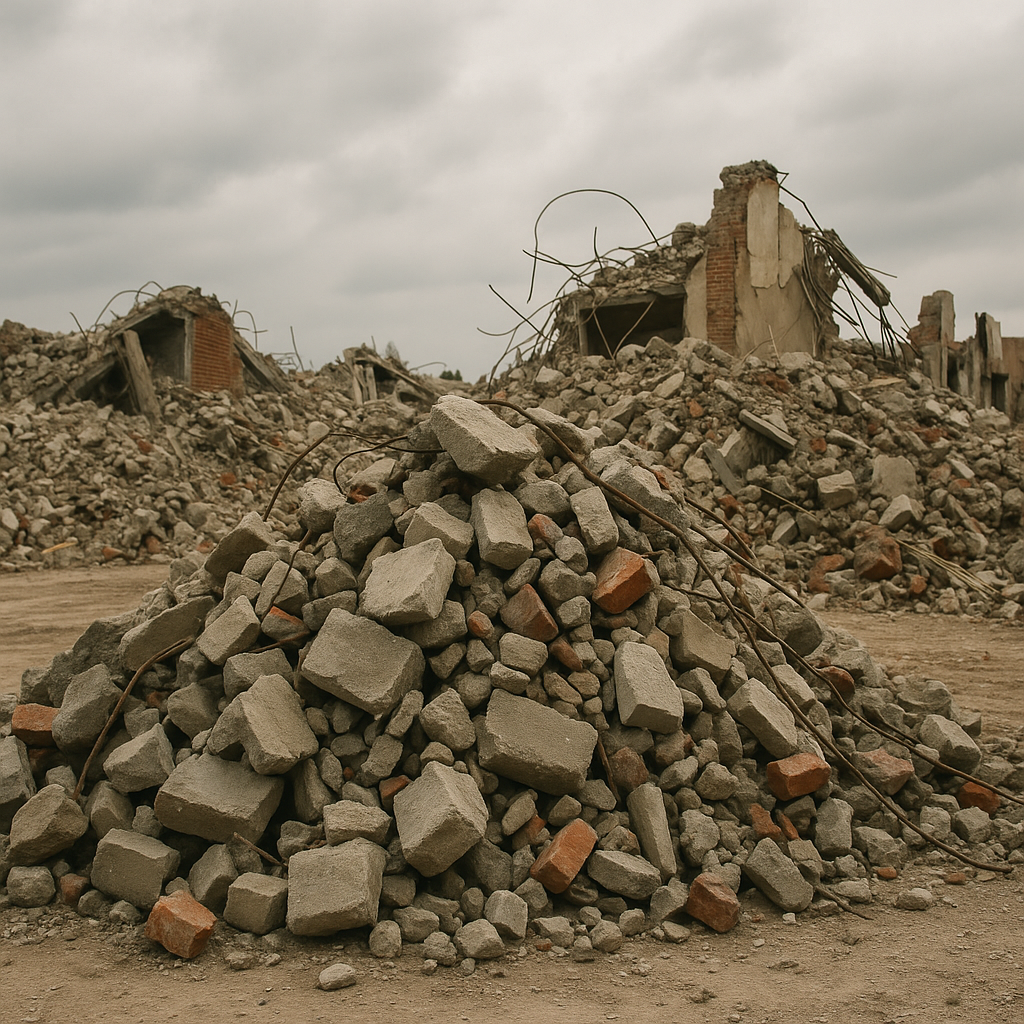
- Planning an on-site system for sorting, crushing, and reuse to produce aggregates and emergency fortification materials
- Designing a circular economy model for producing local raw materials and reducing import costs
- Developing policy recommendations to strengthen cooperation between Israel, the Palestinian Authority, and international organizations
- Creating green jobs and professional training programs for Gaza’s residents
Why Israel?
Israel has proven experience in construction waste recycling and advanced infrastructure technologies. Sharing this expertise can reduce pollution, prevent waste misuse for hostile purposes, and serve as a foundation for regional security and environmental diplomacy.
Multidisciplinary Team
The project is led by Adi Mager in partnership with the Mitvim Institute, EcoPeace, the Arava Institute, and the Brody Institute. The team includes experts in environmental science, engineering, economics, and security.
Methodology
- Literature review and analysis of global best practices
- In-depth interviews with experts and decision-makers
- Comparative analysis of post-conflict recovery models (e.g., Ukraine, Kosovo)
- Multidisciplinary workshops for developing an actionable model
Expected Deliverables
- A comprehensive policy report (Hebrew and English)
- A peer-reviewed academic article in an international journal
- A practical implementation toolkit
- Presentation at an international post-conflict recovery conference
How Can You Help?
Join us as partners, donors, or expert collaborators – together we can transform waste into a pathway for growth, security, and environmental peace.